
Bread baked on hot stones, in Madaba.
Move the pointer or use the arrow keys to move the light across the stones.
Radf is a taboon and a wood fire in a yard in old Madaba. The oven is lit before seven, the first loaves leave the bread window at half past, and from one o’clock everything we cook comes to the table with bread that still burns your fingers.
An old word for hot stones
radf (Arabic, رَضف): stones heated in a fire or in the sun; one of them is a radfa.
In the old dictionaries, radf are stones heated in a fire or in the sun, then dropped into milk to warm it or used to roast meat. The floor of a taboon is the same thing, a bed of small stones that the fire heats and the ash keeps hot. The dough is stretched by hand and laid straight on them, which is why taboon bread comes out dimpled and spotted, with the print of the stones on its back.
How a loaf comes out of the taboon
The floor of our taboon is a bed of smooth river stones, each about the size of a walnut. Every Monday we sift the ash from between them and replace the ones that have cracked.
Olive wood burns in a chamber beside the dome. We rake its embers round the outside and bank them with ash, the way village taboons were banked, so the stones stay hot without a flame ever touching the bread.
Flour, water, salt and a piece of yesterday’s dough. It is stretched over the backs of the hands and laid on the stones with one quick turn of the wrists, wherever they are hottest.
Where a stone touched the dough, the bread browns; where it didn’t, it stays pale. Turn any loaf over and you are holding a small piece of our oven floor.
Move across the stones to blow on the fire.
Sundays and Thursdays are mansaf
- SaturdayBread window 07:30–11:00Long lunches. The yard is open from April to October.13:00–23:00
- SundayBread window 07:30–11:00Mansaf from 13:00.13:00–23:00
- MondayClosed. The oven rests.
- TuesdayBread window 07:30–11:00The first loaves after the oven’s day off.13:00–23:00
- WednesdayBread window 07:30–11:00Freekeh with lamb, on the fire since morning.13:00–23:00
- ThursdayBread window 07:30–11:00Mansaf from 13:00.13:00–23:00
- FridayBread window 07:30–11:00Maqluba after the prayer, until it runs out.13:30–23:00
Ramadan turns the whole week round. The oven is lit after midday, the first loaves are ready for the walk home before sunset, and the long table fills at the call to prayer.
Maqluba is turned out at your table

Prices in JOD
- Musakhan, one roundمسخّن، رغيف كامل7.50
- Za’atar and new oilزعتر وزيت جديد1.75
- Shrak with labnehشراك ولبنة2.25
- Freekeh with lambفريكة بلحم8.50
- Maqluba with chicken, on Fridaysمقلوبة بالدجاج، أيام الجمعة7.50
- Rice pudding from the cooling ovenرز بحليب من الفرن2.50
The rest is on the menu, with mansaf and whatever is in season.
King Talal Street, and its floors
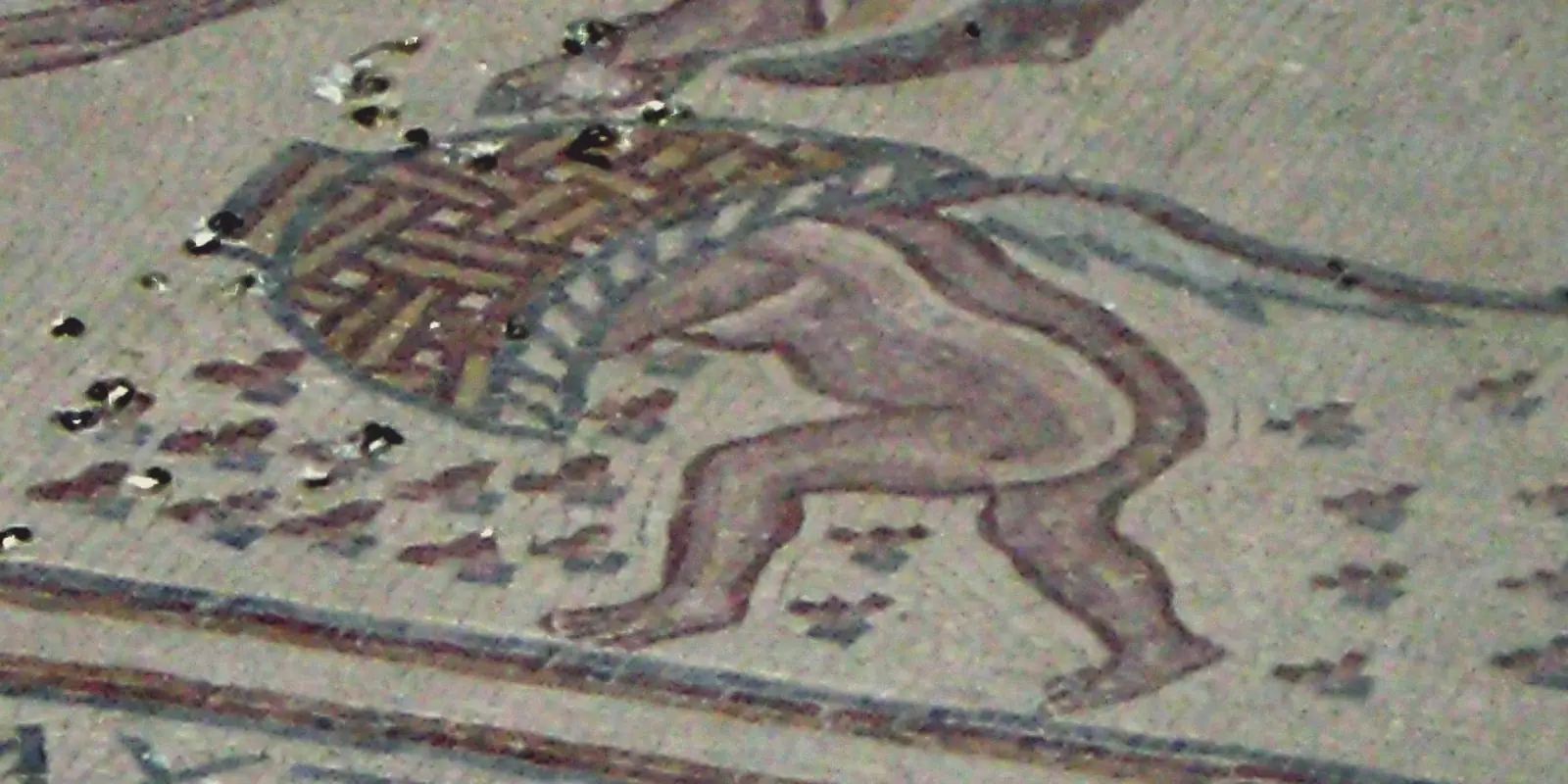
Madaba is a town you read with your eyes on the ground. A few minutes along the street from our lane, the floor of St George’s Church holds a sixth-century map of the Holy Land.

Twenty-four at one table
That’s the long room, any day but Monday. From April to October we carry the table out under the vine, and the yard takes forty. We cook mansaf after a jaha, lay a lunch for a family that hasn’t all been together in years, or keep a slow evening going on everything that comes off the fire. How private dinners work